


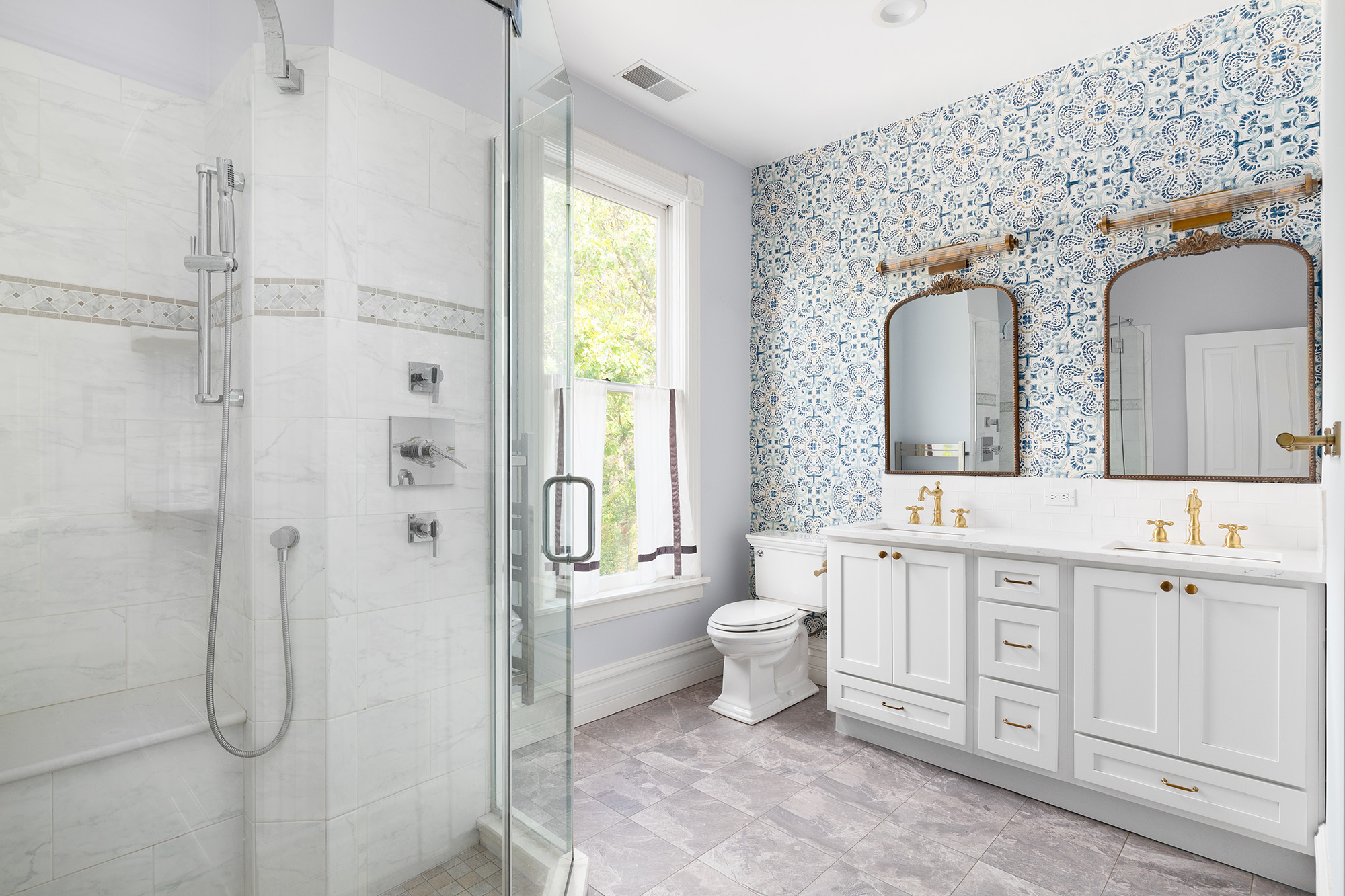
Wet areas require flooring that can handle moisture without making everyday movement unnecessarily difficult. Bathrooms, laundry rooms, kitchens, entryways, and other areas exposed to water all benefit from thoughtful material selection. Tile flooring remains a popular option because it offers a broad range of colors, patterns, sizes, and finishes.
But appearance should not be the only consideration when choosing tile for a wet area. Surface texture, slip resistance, grout, drainage, maintenance, and installation all influence how the finished floor performs. Understanding these factors can help you choose a slip resistant tile that suits both the room and the people using it.
Look for the Right Surface Characteristics
Not every tile has the same level of traction. For wet areas, look for tile products specifically intended for floors and review the manufacturer's slip-resistance information. Surface texture can influence how much traction a tile provides, particularly when water is present.
Very smooth, polished surfaces may be attractive but are not automatically the most appropriate choice for areas where the floor frequently becomes wet. Porcelain and ceramic tiles are available in many surface finishes, so you do not have to sacrifice style to find a practical flooring option. The exact product matters, though. Two tiles made from similar materials can perform differently because of their finish and intended application.
Consider Porcelain for Demanding Areas
Porcelain tile is a popular choice for areas that need a durable, moisture-resistant floor. It is available in a wide variety of colors, patterns, and textures, including designs that resemble natural stone or wood.
For wet areas, choose a porcelain product that is specifically rated and recommended for the intended application. The fact that a tile is porcelain does not automatically mean its surface provides the traction required for every wet environment.
Tile size and layout also deserve attention. Smaller-format tiles create more grout joints, which can provide additional texture underfoot, although grout maintenance becomes part of the equation. Your installer can help you evaluate the specific product and installation method rather than relying on the material name alone.
Think About More Than the Tile Itself
A slip resistant tile cannot compensate for an installation that allows water to collect where it should drain. The subfloor, slope, waterproofing, grout, transitions, and drainage all contribute to how a wet-area floor performs. That makes tile installation particularly important in bathrooms and other spaces where water exposure is expected.
The substrate needs to be properly prepared, the tile needs appropriate coverage and placement, and joints need to be handled according to the installation requirements. You should also consider transitions between different flooring materials.
A sudden height change can create its own tripping concern, particularly around bathrooms and laundry areas. A complete flooring plan considers the entire surface, not just the tile selected from a sample.
Balance Safety With Cleaning and Appearance
Texture can improve traction, but highly textured surfaces can sometimes require more effort to clean. Before selecting a tile, think about how much dirt, hair, soap residue, or moisture the room typically encounters.
A surface that provides useful traction while remaining practical to clean can be a better long-term choice than an extremely textured product. Color also matters for maintenance. Very dark or very light floors may make certain types of residue more visible.
A subtly varied pattern can sometimes disguise everyday marks while contributing visual interest. For bathrooms and laundry rooms, consider how the tile works with walls, cabinets, fixtures, and other finishes. A practical floor can still be an important part of the room's design.
Consider Current Tile Flooring Trends Carefully
Tile flooring trends 2026 include strong interest in natural-looking surfaces, larger formats, organic textures, and designs inspired by stone and wood. These looks can create a sophisticated result, but trends should never take priority over the technical requirements of a wet area.
If a trendy surface is not appropriate for the intended application, choose a different product with the performance characteristics you need. The best floor combines safety considerations with the appearance and maintenance requirements of your household.
Plan the Floor Before Installation Begins
Choosing tile is only one part of creating a successful wet-area floor. Measurements, substrate preparation, waterproofing requirements, layout, grout selection, transitions, and installation technique all deserve attention before work begins. Builders Direct Kitchens Fort Lauderdale can help you explore flooring options and think through how your chosen materials fit into the larger design of your home.
Contact us today and visit our showroom to compare tile styles and discuss your project. Whether you're planning tile installation in Fort Lauderdale, FL or another area within Fort Lauderdale, Oakland Park, Pompano Beach, Boca Raton, and West Palm Beach, FL, selecting the right tile and installation approach can help create a wet-area floor that is practical, attractive, and suited to everyday use.

